Executive Key Takeaways
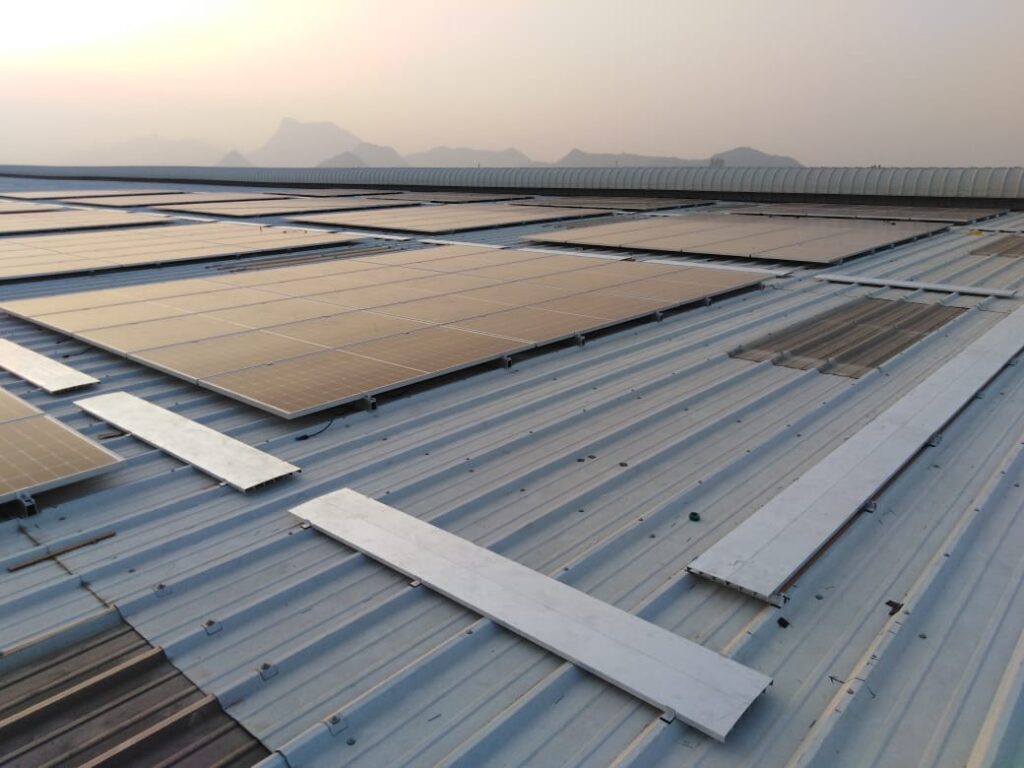
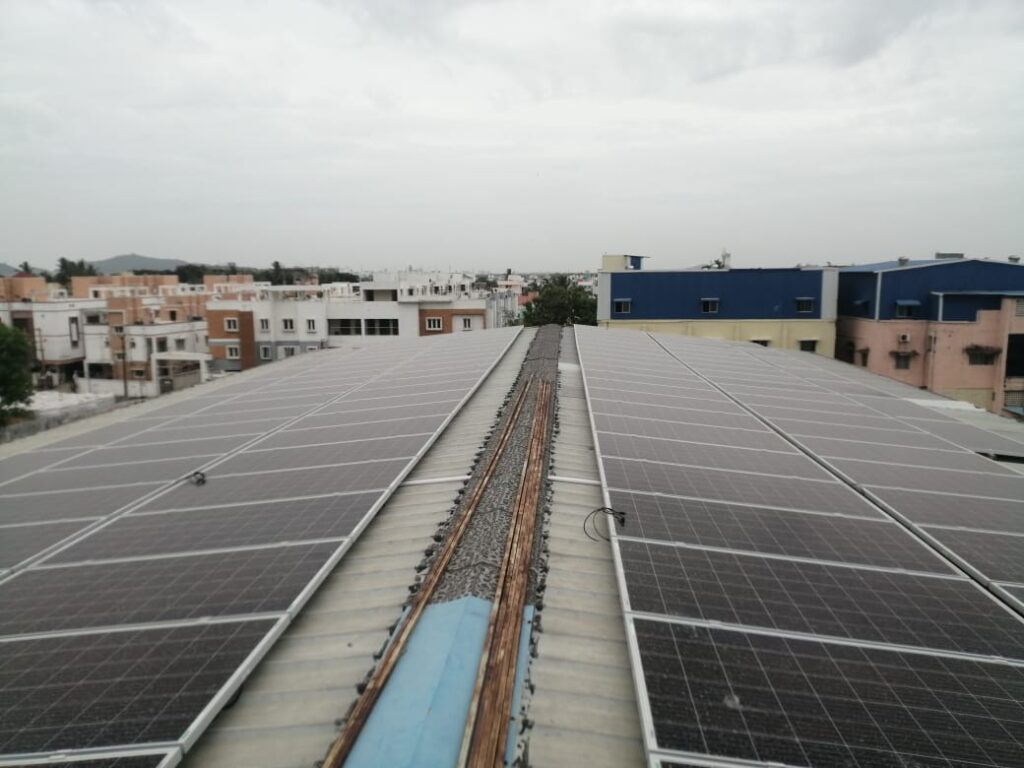
- Dust and industrial particulate accumulation (soiling) can reduce solar power generation by 15% to 30%.
- Clean panels early morning or late evening to prevent thermal shock and micro-cracks on glass surfaces.
- Annual thermographic infrared imaging reveals hot spots, failing bypass diodes, and shading cell defects.
- IVR Energy provides comprehensive Annual Maintenance Contracts (AMC) with guaranteed plant uptime.
Why Regular Solar Cleaning is Essential in Urban & Industrial Zones
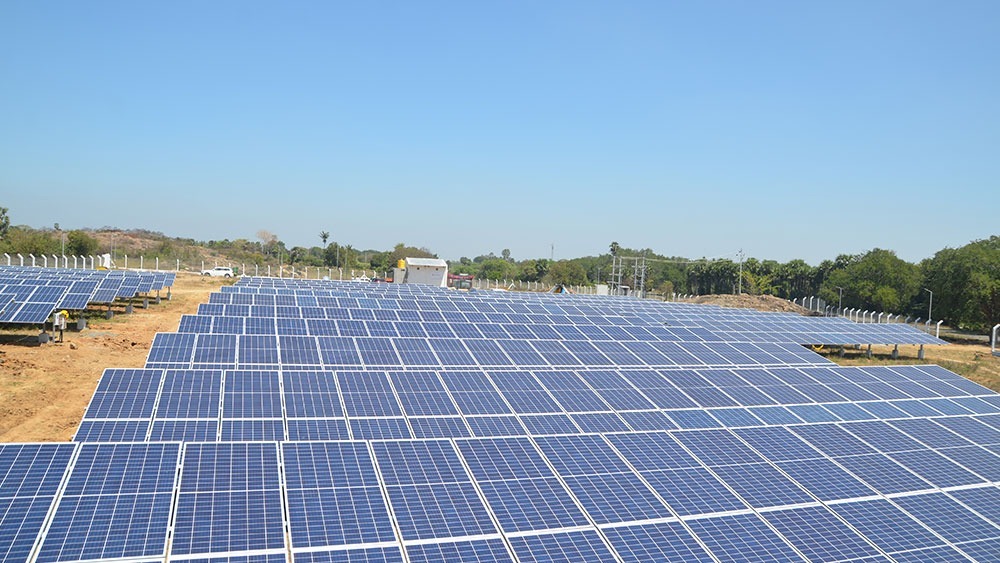
Solar panels work by converting photon irradiance into electrical current. In industrial belts and urban centers, airborne dust, vehicular emissions, bird droppings, and industrial soot settle onto the tempered front glass.
Without regular cleaning, this dust layer blocks sunlight, causing soiling losses between 1% to 2% per week without rainfall.
Recommended Solar Maintenance Checklist
1. Cleaning Frequency: Clean panels once every 12 to 15 days using soft demineralized (RO) water and non-abrasive microfiber brushes.
2. Avoid Harsh Chemicals: Never use abrasive detergents, acids, or high-pressure power washers that can strip the anti-reflective coating (ARC) from the solar glass.
3. Electrical Checks: Check DC array voltages, string fuse continuity, inverter cooling fans, and earthing pit resistance (< 5 Ohms).
Written by O&M Operations Team
Operations & Maintenance at IVR Energy
Table of Contents
Article Tags
#Solar Maintenance#Panel Cleaning#Soiling Loss#Inverter Health#O&M
Turnkey Solar EPC
Get a Customized Solar Proposal for Your Rooftop
Connect with our senior engineers for precise 3D shadow analysis, subsidy guidance, and guaranteed turnkey pricing.
Frequently Asked Questions
Why should we avoid cleaning panels in the hot afternoon sun?
During peak midday sun, panel glass can reach 60°C. Applying cold water causes sudden thermal shock, which can shatter tempered glass or cause internal solar cell micro-cracks.
Recommended Solar Guides
Continue exploring our industry research and installation playbooks.